

May 3, 2012

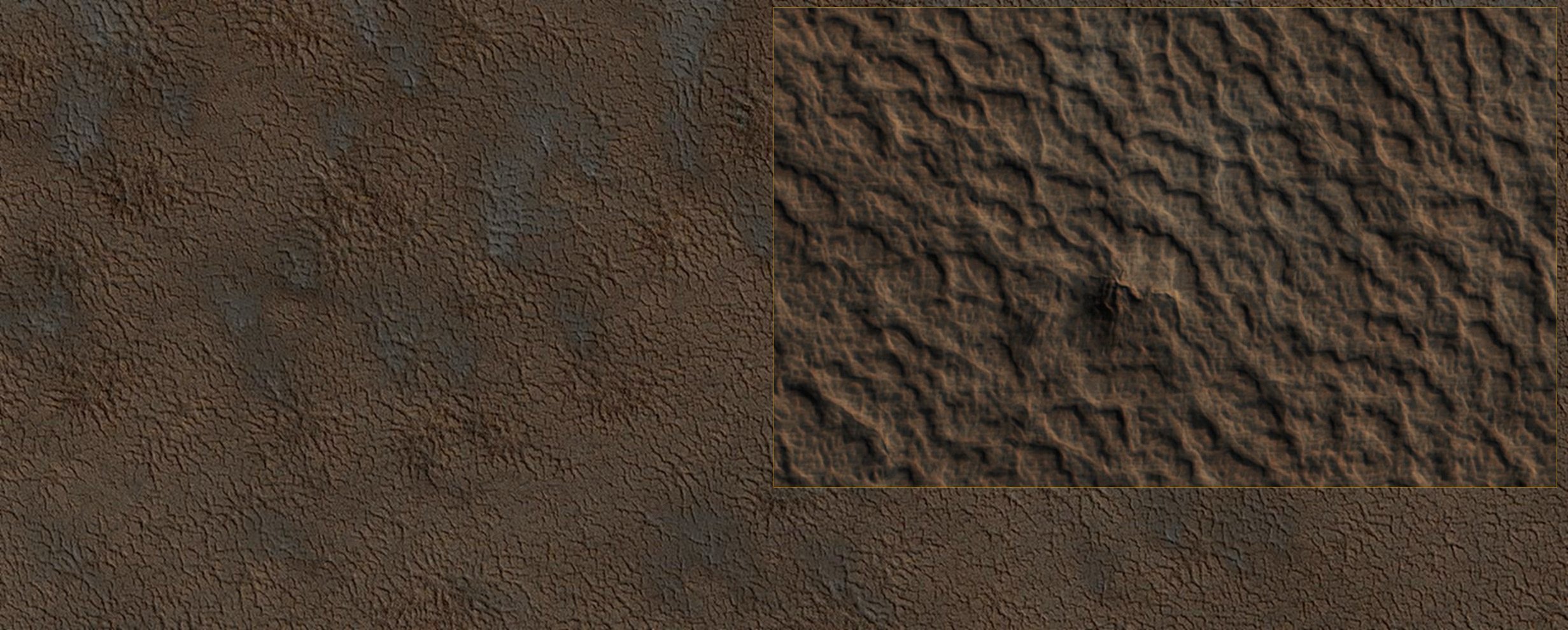
Credits: NASA/JPL-University of Arizona - Credits for the additional process. and color. of the CTX Frame and the EDM/inset: Dr Paolo C. Fienga/Lunar Explorer Italia/IPF
|
Martian geysers are putative sites of small-scale Jet-like Eruptions that occur in the South Polar Region of Mars during the Spring "Thaw" (---> defrosting period). The "Dark Dune Spots" and the so-called "Spiders" are the two most visible types of Surface Features ascribed to these Eruptions and, since this phenomenon has been carefully studied for the past few years, we can say that they are (such as the abovementioned Dark Dune Spots and Spiders) unlike (better yet: very different from) any Terrestrial Geological Phenomenon and Polar Surface Feature. The Reflectance (---> Albedo), Shapes and unusual Spider Appearance of these Surface Features have stimulated a variety of hypotheses about their origin; hypotheses ranging from simple differences in Frosting Reflectance (maybe due to the different Minerals/Rocky Cristals present in the Frost), to explanations involving the occurrence of possible (and perhaps "exotic") Biological Processes. However, all current Geophysical Models that have been used to explain this phenomenon, assume that there is some sort of Geyser-like activity on Mars, but its peculiar characteristics as well as the process of its formation, is still a matter of debate. These Surface Features (which are clearly visible in this NASA - Mars Reconnaissance Orbiter image - note: the EDM Inset shows the "Mouth" of one of these alleged Geysers) are unique to the South Polar Regions of the Red Planet, in an area informally known as the "Cryptic Region" (and this "Cryptic Terrain", in fact, is located at Latitudes approx. from 60°/65° to 80°/85° South and Longitudes going from approx. 150° to 310° West). The approx. 1 meter deep Ice Transition Area — positioned between the Scarps of the thick South Polar Layered Deposits and the Permafrost — is the place where several Clusters of alleged Geyser Systems can actually be seen. The Seasonal Frosting and Defrosting of Ice results in the appearance of a number of Surface Features, such as Dark Dune Spots with Spider-like Rilles or Channels running below the Ice, where Spider-like Radial Channels are carved between the Ground and the Ice itself (remember that the Gas which causes the Geyser-like Eruptions flows right through these underground Channels, looking for a way to escape and, when it finds it, finally outbursts, carrying out with it Dark Basaltic Sands and Dust that, once they set on the frozen Surface, shall point to us the exact spot where the outgassing occurred). The process of formation of these Surface Features is extremely rapid, and it has been observed happening in the space of just a few days, weeks or months, at a growth rate that is rather unusual in Geology – and especially for Mars. As of today, we do not possess any direct data about these Surface Features other than the images taken in the Visible and InfraRed Light by the NASA - Mars Global Surveyor, Mars Odyssey and Mars Reconnaissance Orbiters, and, as far as we know, no Lander is presently planned to visit the South Polar Regions of Mars, where these alleged Geyser-like Systems are located. Mars Local Time: 16:08 (Middle Afternoon) This frame has been colorized in Absolute Natural Colors (such as the colors that a human eye would actually perceive if someone were onboard the NASA - Mars Reconnaissance Orbiter and then looked down, towards the South Polar Region of Mars), by using an original technique created - and, in time, dramatically improved - by the Lunar Explorer Italia Team.
|
News visualized: 875 times