

April 5, 2012

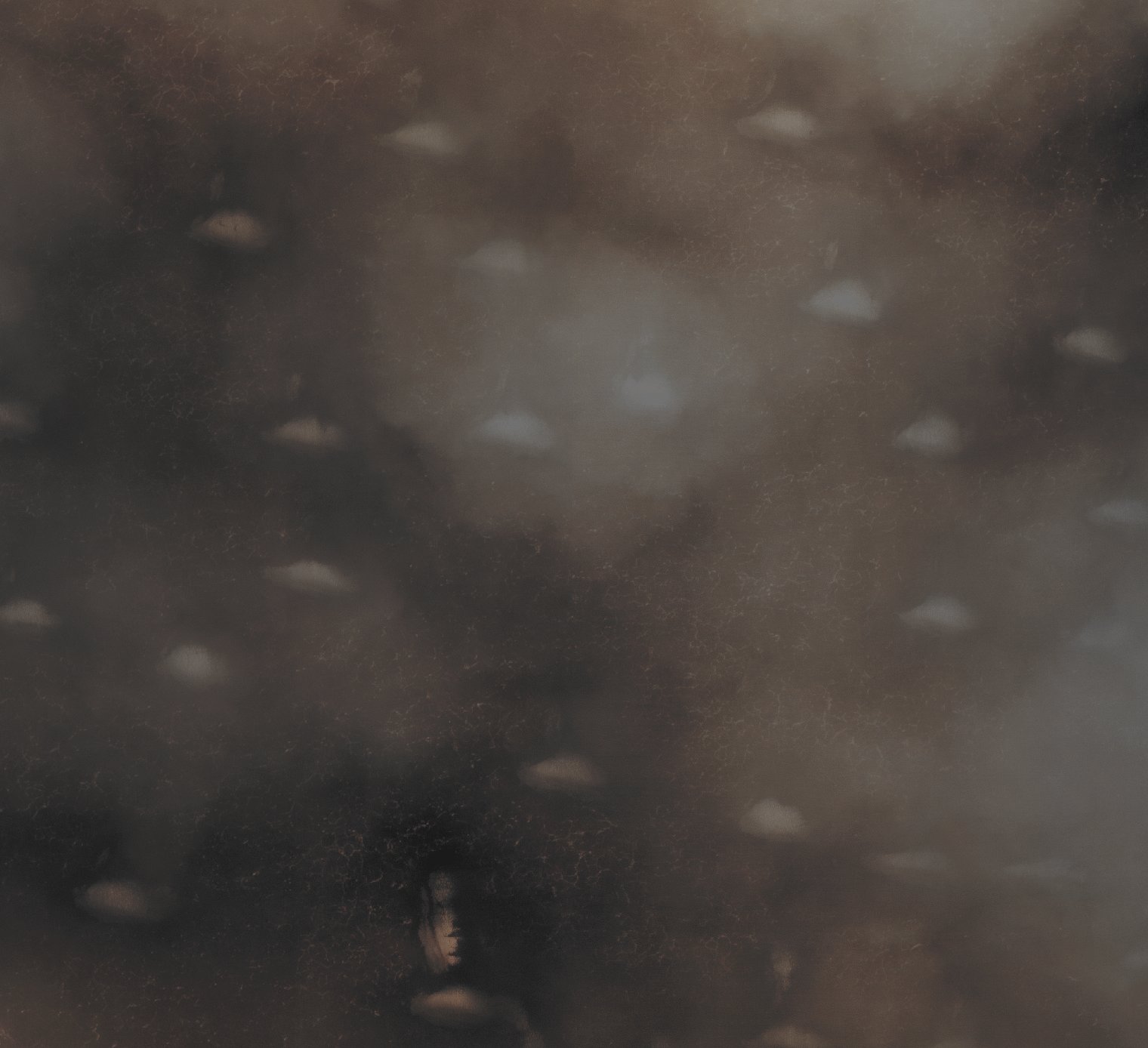
Credits: NASA/JPL-University of Arizona - Credits for the additional process. and color.: Dr Paolo C. Fienga/Lunar Explorer Italia/IPF
|
Mars has cloudy weather and, as we can well appreciate in this (beautiful) picture taken from the NASA - Mars Reconnaissance Orbiter, many bright ice-covered Sand Dunes are faintly visible through Cirrocumulusus-like Cloud Formation. Where the Clouds are extremely thin, the remaining bright Winter Ice appeears visible, protected in shallow Grooves on the Ground, or partially covering the Sand Dunes, and also the subtle brown/orange colors of the Martian Surface appear slightly visible. As a reminder, consider that, like the Clouds of our Home Planet Earth, the Martian Clouds are mostly composed of Ice Crystals and (possibly) Supercooled Water Droplets and they appear similar to the Terrestrial Cirrocumulus or High Altocumulus Clouds. On Earth, however, such Clouds are relatively transient and consist of small, individual Cloudlets arranged in Rippled Patterns. (note: NASA Scientists say that Clouds in the Martian Sky are just an "occasional (meaning rare/kind of unusual) phenomenon"; on the other hand, we, as IPF, after having examined in detail several thousands of frames - taken from Orbit as well as from the Surface of Mars - which showed all kinds of Clouds passing by in the Skies of the Red Planet, strongly believe that this phenomenon is not unsual at all and, probably, its frequency and intensity has been continuously growing in the past three/four decades) Mars Local Time: 14:20 (Early Afternoon) This frame has been colorized in Absolute Natural Colors by (such as the colors that a human eye would actually perceive if someone were onboard the NASA - Mars Reconnaissance Orbiter and then looked down, towards the Surface of Vastitas Borealis - Mars), by using an original technique created - and, in time, dramatically improved - by the Lunar Explorer Italia Team.
|
News visualized: 851 times